
Ranthambore National Park
Ranthambore National Park is one of India’s most iconic wildlife reserves, located in the Sawai Madhopur district of Rajasthan. Known for its rich biodiversity and high chances of spotting Royal Bengal tigers, the park attracts wildlife enthusiasts, photographers, and travelers from around the world. Once the royal hunting ground of the Jaipur kings, it has now transformed into a protected sanctuary under Project Tiger, symbolizing India’s commitment to wildlife conservation.
The park is globally recognized for its population of Bengal tigers, often seen roaming freely during daytime. Apart from tigers, Ranthambore is home to a variety of mammals such as leopards, sloth bears, striped hyenas, jackals, nilgai, sambar deer, and chital. The lakes and rivers support marsh crocodiles, while the park also hosts over 300 species of birds, including peacocks, crested serpent eagles, and kingfishers. This rich biodiversity makes it a perfect destination for wildlife observation and photography.
Ranthambore offers a stunning combination of natural elements, including dry deciduous forests, open grasslands, rocky cliffs, and ancient banyan trees. The presence of picturesque lakes like Padam Talao, Rajbagh Talao, and Malik Talao enhances the park’s beauty and serves as a vital water source for wildlife. During sunrise and sunset, the landscape transforms into a breathtaking scene, offering visitors a truly immersive nature experience.
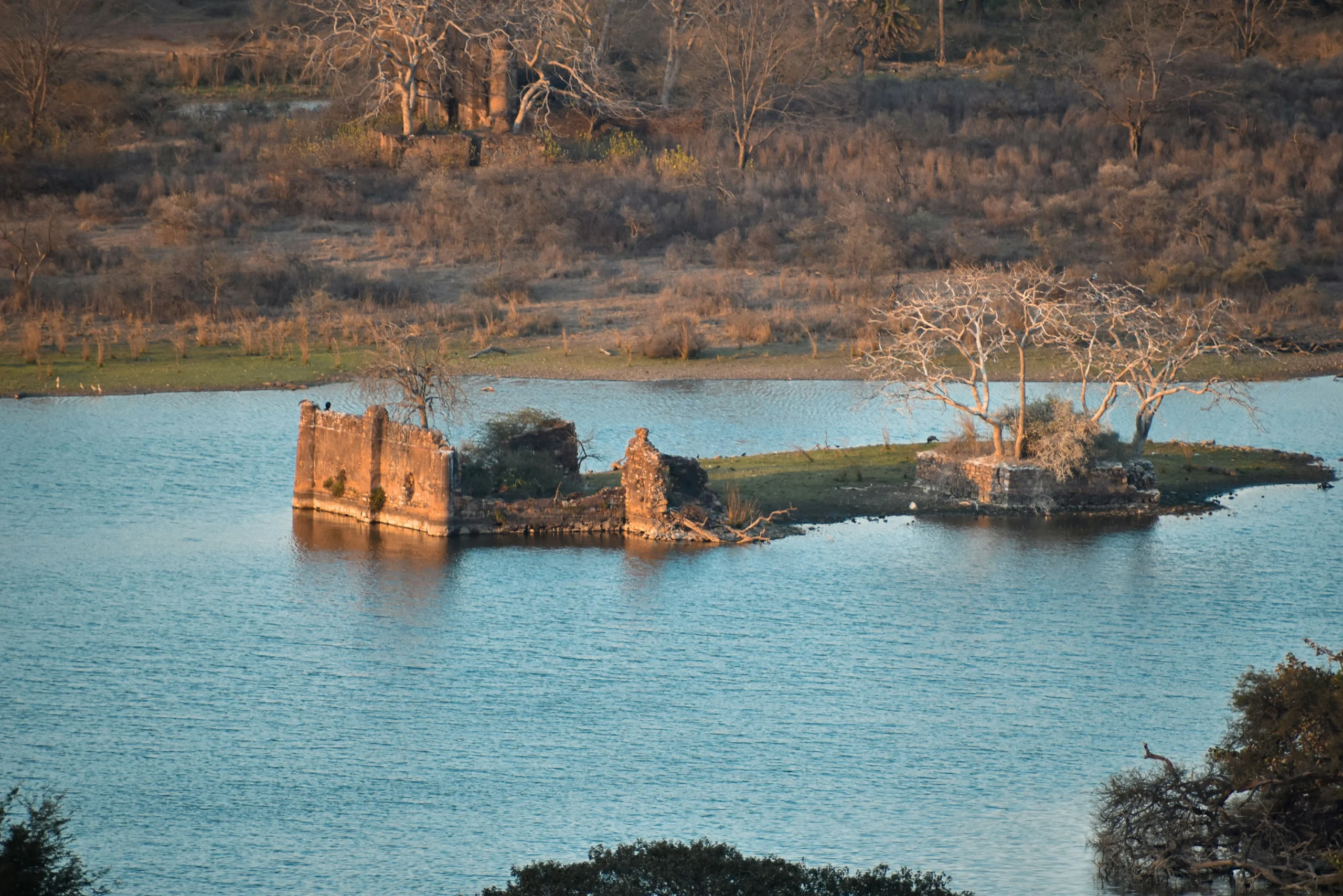
The history of Ranthambore dates back to the 10th century when the region was ruled by the Chauhan dynasty. The famous Ranthambore Fort was constructed during this period and served as a strategic military stronghold due to its location atop a hill. The fort witnessed several battles and played a significant role in Rajput history.
During the 13th and 14th centuries, Ranthambore became a center of power and conflict. The most notable event was the siege of Ranthambore in 1301 by Alauddin Khilji, who captured the fort after defeating the Rajput ruler Hammir Dev Chauhan. This marked the decline of Chauhan rule in the region and brought Ranthambore under the Delhi Sultanate.
After the Delhi Sultanate, Ranthambore came under Mughal control and later became part of the Jaipur kingdom. The rulers of Jaipur used the forest area as a royal hunting ground, where kings and nobles hunted tigers and other wildlife as a symbol of power and prestige.
During British rule, Ranthambore continued to be a hunting reserve for royalty and British officials. Wildlife numbers began to decline due to excessive hunting, which later raised concerns about conservation.
In 1955, Ranthambore was declared a wildlife sanctuary, and in 1973 it became part of Project Tiger. It was officially designated as a national park in 1980. Today, Ranthambore stands as a successful example of wildlife conservation and is one of the best places in India to see Bengal tigers in their natural habitat.